
Elegance in Ethnic Wear: Discovering Elegant Ethnic Styles

Ethnic wear has always been a symbol of culture, tradition, and timeless beauty. It reflects the rich heritage of various communities and offers a unique way to express identity through clothing. Today, ethnic fashion is evolving, blending traditional craftsmanship with modern aesthetics to create elegant ethnic styles that appeal to a wide audience. Whether for festivals, weddings, or casual occasions, ethnic wear brings a touch of grace and sophistication that is hard to match.
The Charm of Elegant Ethnic Styles
Ethnic styles are more than just garments; they are stories woven with threads of history and artistry. The charm of elegant ethnic styles lies in their ability to combine intricate designs with comfort and versatility. From the flowing sarees of India to the vibrant anarkalis and lehengas, each piece tells a tale of craftsmanship.
Some key elements that define these styles include:
Fabric choice: Silks, cottons, chiffons, and brocades are popular for their texture and drape.
Embroidery and embellishments: Zari work, mirror work, beadwork, and thread embroidery add richness.
Color palettes: Traditional colors like deep reds, royal blues, and golds are often used, but contemporary styles also embrace pastels and neutrals.
Silhouettes: Classic cuts like the A-line, straight-cut, and flared styles enhance elegance.
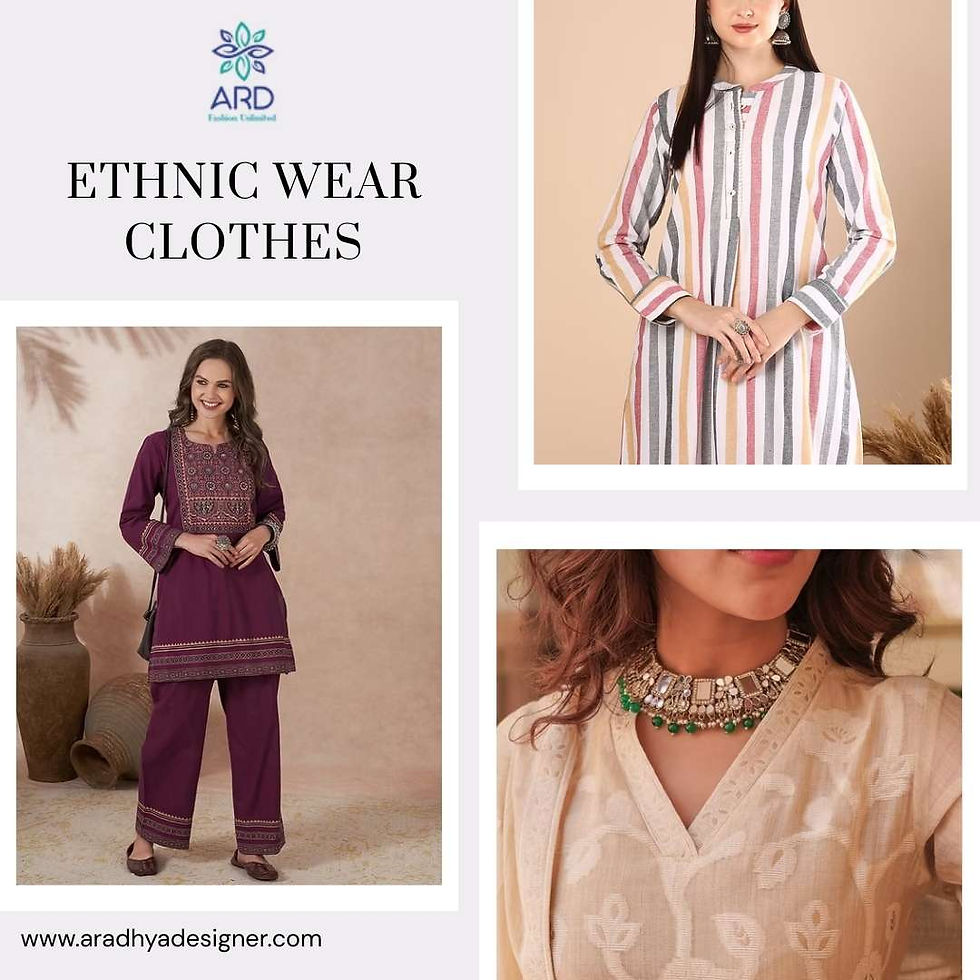
For example, a silk saree with gold zari border paired with minimal jewelry can create a stunning look for a wedding. Similarly, a cotton kurta with subtle embroidery is perfect for a casual yet refined appearance.

Traditional silk saree showcasing intricate gold embroidery
How to Style Elegant Ethnic Styles for Different Occasions
Styling ethnic wear can be both fun and challenging. The key is to balance tradition with personal taste and the occasion's requirements. Here are some practical tips to help you master the art of styling elegant ethnic styles:
For Weddings and Festive Events
Opt for heavier fabrics like silk, velvet, or brocade.
Choose outfits with detailed embroidery or embellishments.
Accessorize with statement jewelry such as jhumkas, bangles, and necklaces.
Pair your outfit with embellished footwear like mojris or heels.
Consider hairstyles like buns or braids adorned with flowers.
For Casual or Office Wear
Select lighter fabrics such as cotton or linen.
Go for minimal embroidery or prints.
Keep accessories simple - stud earrings or a delicate chain.
Comfortable footwear like kolhapuris or flats works best.
A neat ponytail or open hair complements the look.
For Parties and Social Gatherings
Experiment with fusion wear like ethnic skirts paired with crop tops.
Use bold colors and modern cuts.
Mix and match accessories to add a contemporary touch.
Heels or wedges can elevate the outfit.
Try trendy hairstyles like loose curls or half-updos.
By understanding the occasion and your comfort, you can create looks that are both elegant and appropriate.
Fabrics and Textures That Define Elegance
The choice of fabric plays a crucial role in the overall appeal of ethnic wear. Different fabrics bring different textures, weight, and fall, which influence how the outfit looks and feels.
Silk: Known for its sheen and smooth texture, silk is a classic choice for formal ethnic wear. Variants like Banarasi, Kanjeevaram, and Tussar silk are highly prized.
Cotton: Breathable and comfortable, cotton is ideal for everyday ethnic wear. It can be plain or printed with traditional motifs.
Chiffon and Georgette: Lightweight and flowy, these fabrics are perfect for anarkalis and sarees that require a graceful drape.
Velvet: Adds richness and warmth, often used in winter ethnic wear.
Brocade: A heavy fabric with intricate patterns, perfect for bridal and festive outfits.
Mixing fabrics can also create interesting contrasts. For instance, pairing a silk blouse with a cotton saree or a velvet jacket over a chiffon kurta can add depth to your look.

Intricate gold thread embroidery on brocade fabric
Accessorizing to Enhance Ethnic Elegance
Accessories are the finishing touches that can transform an ethnic outfit from simple to spectacular. Choosing the right accessories is essential to maintain balance and highlight the elegance of the attire.
Jewelry
Traditional jewelry: Kundan, polki, and temple jewelry are timeless choices.
Minimalist pieces: For a modern twist, opt for delicate chains, studs, or small hoops.
Statement pieces: Bold necklaces or large earrings can be the centerpiece of your look.
Footwear
Mojris and juttis with embroidery or beadwork complement ethnic wear beautifully.
Heels and wedges add height and poise, especially with sarees and lehengas.
For casual looks, simple sandals or kolhapuris work well.
Bags and Clutches
Embroidered potlis or embellished clutches add charm.
Choose colors that either match or contrast tastefully with your outfit.
Hair Accessories
Fresh flowers like jasmine or roses are traditional and fragrant.
Hairpins and clips with pearls or stones add subtle sparkle.
Makeup
Keep makeup balanced; if your outfit is heavily embellished, opt for neutral tones.
Bold lips or kohl-rimmed eyes can add drama for festive occasions.
Embracing Modern Trends in Ethnic Wear
Ethnic fashion is not static; it evolves with time, incorporating new trends while respecting tradition. Here are some modern trends that are shaping elegant ethnic styles today:
Fusion wear: Combining western cuts with ethnic fabrics, such as crop tops with lehengas or dhoti pants with kurtas.
Sustainable fashion: Using organic fabrics and natural dyes to create eco-friendly ethnic wear.
Mix and match: Pairing different ethnic pieces to create unique ensembles.
Pastel colors: Soft hues are gaining popularity for their understated elegance.
Minimalism: Simple designs with clean lines and subtle embellishments.
These trends make ethnic wear more accessible and appealing to younger generations, encouraging them to embrace their cultural roots with pride.
For those looking to explore a curated collection of **elegant ethnic wear**, there are many online platforms and boutiques offering a wide range of options that blend tradition with contemporary style.
Celebrating Culture Through Clothing
Ethnic wear is a celebration of culture, craftsmanship, and identity. Wearing these garments is not just about fashion; it is about honoring heritage and expressing oneself with pride. Whether you choose a classic saree, a chic kurta, or a trendy fusion outfit, the essence of ethnic wear lies in its ability to make you feel elegant and connected to your roots.
By investing in quality fabrics, understanding styling nuances, and accessorizing thoughtfully, anyone can master the art of ethnic elegance. This timeless style continues to inspire and captivate, proving that true elegance never goes out of fashion.


Comments